
Is it hard to become a casino dealer?
How Hard Is It to Become a Casino Dealer? (Spoiler: It's Worth It)
Dealer training is intensive, but it doesn’t take long to go from zero casino experience, to beginning your career on the casino floor. You'll learn card handling, game rules, casino procedures, and much more. Structured training means you're not figuring everything out on the job—you're coming in prepared and confident.
Managing a full game, quick calculations, reading people—it keeps your brain sharp. It's challenging in the best way. Every shift you get better at it. That's the kind of job that keeps you engaged and growing.
Casinos never close. But that also means you have options. Want to work nights? Mornings? Weekends? You can find something that works for your life.
Becoming a casino dealer takes commitment. But you're not just getting a job—you're joining a professional industry with real skill requirements. You're building a career with growth potential. Pit supervisors, shift managers, and casino directors almost all start as dealers.
If you're serious about it, iDeal Gaming Academy provides the training and support to launch your career properly. You'll graduate ready to step into a casino confident, prepared, and professional.
Is it hard? Sure. But the challenge is exactly what makes it worth doing. You'll earn solid money, develop real skills, and join a community of professionals who actually like what they do.
The question isn't whether you can do it—it's whether you're ready to take the leap.
How do I become a casino dealer?
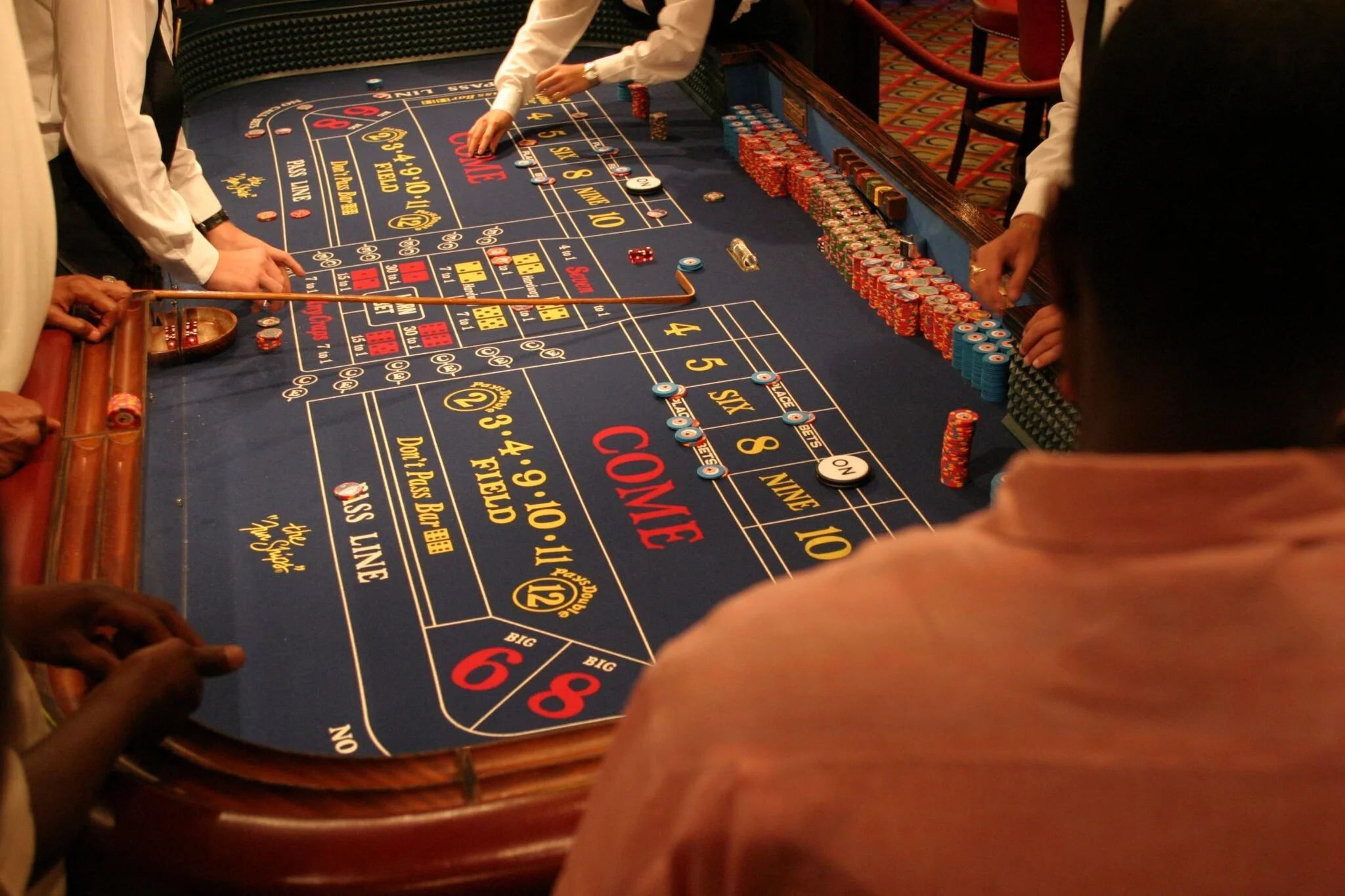
How does someone with no experience land their first dealing job on the casino floor? First, you must meet the minimum age requirement—typically 21, although in some states it may be 18. You’ll also need to pass a background check to obtain a gaming license. Once those requirements are met, the next step is to attend dealer school, where you’ll learn the fundamentals of the trade. Most casinos prefer candidates who are trained in multiple core games, so it’s wise to learn at least two before applying. Core games include blackjack, baccarat, craps, roulette, and pai gow tiles. After completing your training, you’re ready to apply for positions. Many casinos accept applications online, while others may allow you to also walk in dressed in black pants and a white button-up shirt to audition on the spot. Pass the audition, and you’re officially a casino dealer. For those looking to get started with the right training and a competitive edge, Ideal Gaming Academy offers comprehensive programs designed to prepare you for success on the casino floor.
Why become a casino dealer?
Becoming a casino dealer isn’t nearly as difficult as most people assume. You can step into a real, income-generating career without years of college debt or long waits for complicated licensing. In high-traffic markets like the Las Vegas Strip and Atlantic City, casinos are consistently looking for new talent. The work itself keeps you sharp—you’re constantly calculating, reading players, and managing the energy at the table—so it never feels dull like a lot of entry-level jobs. There’s also something powerful about mastering a skill that looks simple on the surface but actually demands precision and composure under pressure; it gives you a quiet confidence that stands out.
On top of that, the lifestyle has real perks. Dealers typically get a 20-minute break every hour, and most casinos offer an Employee Dining Room (EDR), so you can grab food and reset during your shift. And when you clock out, you’re truly done—no emails, no take-home work, no lingering obligations. Your time is your own, which is something a lot of careers simply can’t offer anymore. That balance between focused work and real personal freedom is a big part of what makes dealing such an appealing path.
So what actually holds people back? For most, it’s the anxiety leading up to that first audition. Walking in from a dealing school and facing casino directors, pit bosses, and surveillance can feel intimidating. But here’s what people overlook: those same managers were once in your exact position, feeling the same nerves and pressure. They’re not expecting perfection—they’re looking for personality. Casinos are competing for player experience, so they want dealers who are engaging, positive, professional, and confident at the table. If you can bring that energy—eye contact, a genuine smile, and a strong presence—you’re already ahead of the curve. And if you’re ready to take that step but want guidance, training, or an edge going into your audition, that’s exactly where we come in—helping you turn potential into a real opportunity.